Why Pantry-Based Meal Planning Works
Planning meals from pantry staples can save time, reduce food waste, and make cooking less stressful. Instead of starting with a recipe and buying a long list of ingredients, you begin with what you already have. Then, you add a few fresh items to complete balanced and flavorful meals.
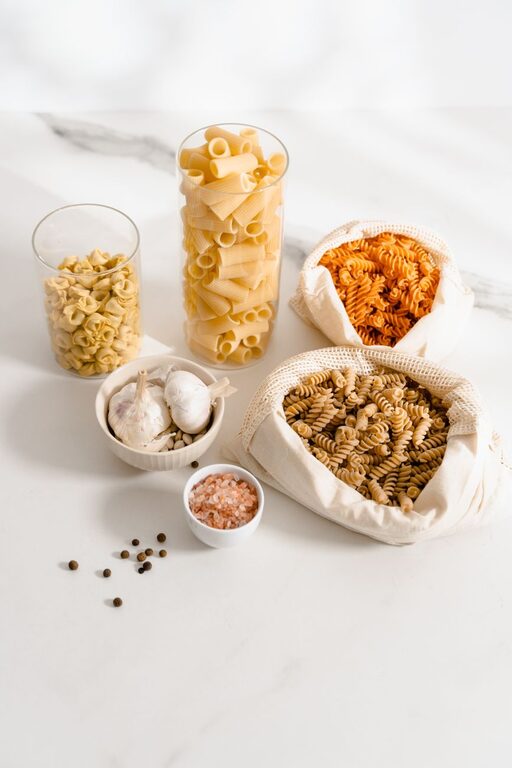
Pantry staples are foods that store well and can be used in many ways. Examples include:
– Rice, pasta, oats, and other grains
– Canned beans, tomatoes, corn, and vegetables
– Dried lentils, peas, and beans
– Flour, breadcrumbs, and baking supplies
– Broth, coconut milk, and canned tuna
– Spices, herbs, oils, vinegar, and sauces
– Nuts, seeds, and dried fruit
The goal is not to create repetitive meals. It is to use the same basic ingredients in different combinations, cooking methods, and flavors.
Start With a Pantry Inventory
Before planning meals, take a quick inventory of your kitchen. Check the pantry, refrigerator, and freezer. Write down what you have and group items by type.
Create Simple Categories
A basic list might include:
- **Grains:** rice, pasta, couscous, oats, tortillas
- **Proteins:** beans, lentils, canned fish, eggs, nuts
- **Vegetables:** canned tomatoes, frozen vegetables, onions, potatoes
- **Flavor builders:** garlic, spices, broth, soy sauce, vinegar
- **Meal starters:** pasta sauce, salsa, curry paste, canned soup
Check expiration dates and use older items first. If several products are nearly finished, plan meals that combine them. For example, a small amount of rice, half a can of beans, and a few frozen vegetables can become a filling skillet meal.
Do not worry about creating a perfect inventory. A simple list on paper or in a phone note is enough.
Use a Meal Building Formula
A flexible formula makes pantry planning easier than searching for a specific recipe. Start with four parts:
– Base: rice, pasta, potatoes, bread, oats, or another grain
– Protein: beans, lentils, eggs, canned fish, tofu, or nuts
– Vegetables: fresh, frozen, or canned vegetables
– Flavor: spices, sauces, herbs, cheese, citrus, or vinegar
For example, rice, black beans, corn, salsa, and cheese can become a burrito bowl. The same ingredients can also fill tortillas, top a baked potato, or become a soup with broth and tomatoes.
This formula works for breakfast, lunch, dinner, and snacks. Oats can be paired with dried fruit, nuts, and yogurt. Pasta can be combined with beans, canned tomatoes, and spinach. Toast can be topped with eggs, canned beans, or tuna salad.
Plan Around Three or Four Core Meals
You do not need to plan a different meal for every day. Choose three or four main ideas and use leftovers in new ways.
A sample plan could include:
– Meal one: Tomato and white bean pasta
– Meal two: Rice bowls with beans and vegetables
– Meal three: Lentil soup with toast
– Meal four: Vegetable frittata with potatoes
These meals share several ingredients but have different textures and flavors. Leftover rice can become fried rice, while extra lentil soup can be served over potatoes or grains.
Planning fewer core meals also leaves room for busy days, leftovers, and changes in appetite.
Choose a Flavor Direction
Common seasonings can make the same pantry ingredients taste completely different. Select one or two flavor directions for the week and adjust them as needed.
Mediterranean-Inspired Flavors
Use tomatoes, beans, pasta, rice, garlic, oregano, basil, lemon juice, and olive oil. Add feta or another cheese if available.
Southwest-Inspired Flavors
Combine beans, corn, rice, tomatoes, salsa, chili powder, cumin, and smoked paprika. Use tortillas, avocado, or shredded cheese as optional additions.
Asian-Inspired Flavors
Try rice or noodles with vegetables, eggs, tofu, or canned fish. Add soy sauce, sesame oil, ginger, garlic, or rice vinegar for extra flavor.
Comfort Food Flavors
Use potatoes, pasta, rice, broth, canned vegetables, cheese, and dried herbs. These ingredients work well in casseroles, soups, and skillet meals.
A flavor direction is a guide, not a strict rule. Use what you have and adjust the seasoning gradually.
Build a Short Shopping List
Once you know what is in your pantry, shop only for ingredients that fill gaps. Fresh foods can add variety and nutrition without replacing your pantry staples.
Useful additions may include:
– Onions, garlic, carrots, or celery
– Leafy greens or seasonal vegetables
– Eggs, yogurt, cheese, or tofu
– Fresh fruit
– Lemons, limes, or fresh herbs
– Bread, tortillas, or other meal bases
Think of these items as connectors. An onion can improve soups, sauces, rice dishes, and egg meals. Yogurt can be used for breakfast, sauces, dips, or toppings. Fresh greens can go into pasta, soup, sandwiches, or grain bowls.
Keep the list short enough that you are likely to use everything before it spoils.
Plan for Substitutions
Pantry cooking rarely follows a recipe exactly. Learning a few simple substitutions helps you avoid extra shopping trips.
– Use rice, pasta, barley, or potatoes as a base.
– Replace one type of bean with another.
– Swap fresh, frozen, and canned vegetables when needed.
– Use broth, water with seasoning, or canned tomato liquid in soups.
– Replace fresh herbs with dried herbs.
– Use yogurt, mashed beans, or tahini in place of creamy sauces.
– Add eggs, lentils, or canned fish when a dish needs more protein.
When making a substitution, consider texture and cooking time. Dried beans usually need to be cooked before adding them to a meal, while canned beans can be added near the end. Frozen vegetables may need only a few minutes, while firm vegetables may require longer cooking.
Cook Components in Batches
Batch cooking does not mean preparing every meal in advance. Instead, cook a few useful components that can be mixed and matched.
For example, prepare:
– A pot of rice or another grain
– A batch of beans or lentils
– Roasted or sautéed vegetables
– A simple sauce or dressing
– Hard-boiled eggs or another ready-to-use protein
Store components separately so they can be used in different meals. Rice can serve as a side dish, soup addition, or base for a bowl. Roasted vegetables can go into wraps, salads, pasta, or omelets.
Label leftovers with the date and place older items where they are easy to see. This small habit makes it more likely that food will be used on time.
Keep Meals Interesting With Texture
Flavor is important, but texture also makes simple meals more satisfying. Add contrast with ingredients such as:
– Toasted seeds or nuts
– Crispy breadcrumbs
– Fresh vegetables
– Pickles or other tangy toppings
– Creamy yogurt or avocado
– Crunchy tortillas or crackers
For example, a bowl of lentils becomes more appealing with toasted seeds, chopped vegetables, and a spoonful of yogurt. A simple soup can feel more complete with crispy toast or a cheese topping.
Make a Backup Meal List
Some days will not go according to plan. Create a list of quick meals for those occasions. Good backup options include:
– Pasta with canned tomatoes and beans
– Rice topped with eggs and frozen vegetables
– Bean quesadillas with salsa
– Oatmeal with fruit and nuts
– Tuna or chickpea salad sandwiches
– Soup made from broth, canned vegetables, and grains
Keep the ingredients for at least one or two backup meals available. This can help you avoid unnecessary takeout and reduce the temptation to skip a meal when you are short on time.
Review and Improve Your Plan
At the end of the week, note which meals worked well and which ingredients were difficult to use. Adjust your next plan based on what you learned.
You may discover that you need more quick-cooking grains, fewer specialty sauces, or additional freezer vegetables. Over time, your pantry will become easier to manage, and meal planning will take less effort.
The most useful pantry plan is flexible. Start with what you have, add a few fresh ingredients, and use simple combinations to create meals that fit your schedule and preferences.
About the Author