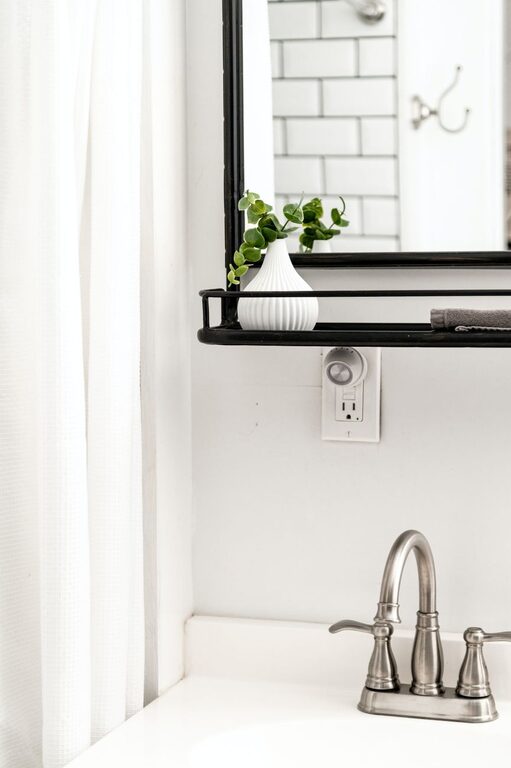
A minimalist bathroom is clean, comfortable, and easy to maintain. It does not need to be completely empty or decorated in one specific style. Instead, the goal is to create a space where every item has a purpose and the room feels calm rather than crowded.
With thoughtful choices, you can create a minimalist bathroom in almost any home, whether you are updating a large master bathroom or refreshing a small powder room. Use the following steps to simplify the space while keeping it practical and welcoming.
Start With a Clear Plan
Before buying new products or accessories, take a close look at your current bathroom. Notice what you use every day, what creates clutter, and what could be stored elsewhere.
Remove everything from open shelves, the vanity, and the shower area. Group similar items together, such as:
– Daily toiletries
– Cleaning supplies
– Towels
– Hair and grooming tools
– Extra products
– Decorative items
Keep the items you use regularly and set aside anything that is expired, damaged, duplicated, or rarely used. A minimalist bathroom should support your routines, not hold every product you have collected over time.
Once you know what needs to stay, measure the available storage areas. This will help you choose organizers and containers that fit properly instead of adding more clutter.
Choose a Simple Color Palette
A limited color palette helps a bathroom feel more spacious and organized. Soft white, warm beige, light gray, and muted green or blue can create a relaxed appearance without making the room feel plain.
Choose one main color and one or two supporting shades. For example:
– White walls with light wood accents
– Warm gray tiles with cream towels
– Soft beige surfaces with black hardware
– Pale green accessories with natural materials
Matching every item is not necessary, but too many competing colors can make a small room look busy. Towels, bath mats, shower curtains, and containers are easy places to introduce a consistent color scheme.
If you already have bold tiles or colorful walls, balance them with simple accessories and uncluttered surfaces.
Focus on Functional Storage
Good storage is one of the most important parts of a minimalist bathroom. Open surfaces should hold only the items you use frequently. Everything else can be stored behind doors, in drawers, or in attractive containers.
Consider these storage solutions:
Use Drawer Dividers
Drawer dividers keep small items such as combs, razors, cotton swabs, and grooming tools in place. Choose adjustable dividers so you can change the layout as your needs change.
Add Baskets and Bins
Baskets are useful for storing extra towels, toilet paper, and personal care products. Select a few matching containers instead of using many different styles. Labeling is optional, but simple labels can make shared bathrooms easier to organize.
Use Vertical Space
Wall-mounted shelves, slim cabinets, and over-the-door organizers can add storage without taking up much floor space. A narrow shelf above the toilet or beside the vanity can hold spare supplies while keeping the counter clear.
Store Items by Frequency
Keep everyday products within easy reach. Place occasional-use items, such as extra toiletries or seasonal accessories, in higher cabinets or less accessible areas. This arrangement makes daily routines faster and prevents frequently used areas from becoming overcrowded.
Keep Countertops Nearly Clear
A clear countertop can instantly make a bathroom feel more minimalist. Leave out only the products you use every day, such as hand soap, a toothbrush, or a small tray for essential items.
A tray can make necessary products look more organized by giving them a defined home. Choose a simple design in wood, ceramic, stone, or metal. Avoid filling the tray with items that do not belong there.
If several family members share the bathroom, assign each person a drawer or container. This prevents personal items from spreading across the entire counter.
Select Simple Fixtures and Accessories
Minimalist design often works best with clean shapes and uncomplicated details. When choosing fixtures or replacing accessories, look for items that are practical and easy to clean.
Useful choices may include:
– A simple framed mirror
– Streamlined towel bars
– A plain soap dispenser
– A wastebasket with a lid
– A shower curtain with a subtle pattern
– A small, durable bath mat
You do not need to replace everything at once. Start with the items that look worn, take up unnecessary space, or no longer work well. A gradual approach allows you to improve the room without creating unnecessary waste.
Choose accessories that serve a purpose. A decorative object can add personality, but too many small decorations may make the bathroom harder to clean and maintain.
Improve the Shower and Bath Area
The shower is often one of the busiest parts of a bathroom. Bottles, sponges, brushes, and cleaning products can quickly collect around the tub or shower floor.
Begin by removing empty or rarely used products. Keep daily essentials in one caddy or on a single shelf. A wall-mounted shower organizer can help keep items off the floor and make cleaning easier.
Look for refillable bottles if you want a more consistent appearance. You can use matching containers for shampoo, conditioner, and body wash, but make sure each one is clearly identified. This approach reduces visual clutter while keeping products easy to recognize.
Use a simple, washable shower mat if needed. Avoid allowing several mats, baskets, or decorative items to gather in the shower area.
Add Warmth With Natural Details
A minimalist bathroom should feel comfortable, not cold. Natural textures can add warmth without creating visual clutter.
Consider using:
– A wooden bath tray
– Woven storage baskets
– Cotton towels
– A small low-maintenance plant
– Stone or ceramic accessories
– Warm lighting
Choose one or two natural materials and repeat them throughout the room. For example, a light wood shelf paired with a woven basket can create a coordinated look.
If you add a plant, choose one that suits the bathroom’s light and humidity levels. Keep it in a simple pot and place it where it will not interfere with daily use or cleaning.
Use Lighting to Create a Calm Atmosphere
Good lighting makes a bathroom more functional and inviting. If possible, make the most of natural light by keeping windows clear and using a simple window covering.
For artificial lighting, combine practical illumination with softer light. A bright fixture near the mirror is helpful for grooming, while a warmer overhead or wall light can make the room feel more relaxed.
Keep light fixtures simple and choose bulbs that provide comfortable, even light. Avoid creating dark corners, especially around the vanity and shower.
Create a Cleaning Routine
Minimalism is easier to maintain when cleaning is simple. Once the room has fewer items, surfaces can be wiped quickly and supplies are easier to access.
Try a short daily routine:
- Wipe the sink and countertop.
- Return products to their storage areas.
- Hang towels neatly.
- Remove empty containers.
- Check the shower floor for buildup.
Once a week, clean mirrors, floors, fixtures, and storage areas. Review your products every few months and remove anything you no longer use.
Keep the Setup Flexible
Your bathroom should change as your needs change. Storage that works today may need to be adjusted later, especially if more people begin sharing the space.
Avoid filling every shelf and drawer. Leaving a little extra room makes it easier to store new essentials without creating clutter. Choose durable, versatile pieces that can be moved or reused in another room if your layout changes.
A minimalist bathroom is not defined by expensive materials or a completely empty countertop. It is a practical space with clear surfaces, useful storage, and a calm visual balance. By keeping only what you need and giving each item a designated place, you can create a bathroom that feels organized, comfortable, and easy to enjoy every day.
About the Author