Busy weeks can make cooking feel like one more task on an already crowded schedule. Meal prep helps by moving some of the work to a quieter day, so weekday meals come together faster. You do not need complicated recipes, special equipment, or several hours in the kitchen. A few well-planned ingredients can become flexible breakfasts, lunches, and dinners throughout the week.
The key is to keep your plan simple. Choose foods that store well, prepare ingredients in batches, and leave room for easy changes. Here are practical meal prep ideas to help you spend less time cooking and more time enjoying your meals.
Start With a Simple Weekly Plan
Before grocery shopping, take a few minutes to look at the week ahead. Consider how many meals you will eat at home, which days are busiest, and whether you need portable lunches. Planning around your schedule prevents overbuying and makes prep more focused.
A simple plan might include:
- One make-ahead breakfast
- Two lunch options
- Two dinners that share ingredients
- One flexible meal for leftovers
- A few ready-to-eat snacks
You do not need to prepare every meal in advance. Even washing produce, cooking one grain, and making one protein can make the week easier.
Choose Ingredients That Work in Several Meals
Multiuse ingredients help you create variety without making a long shopping list. For example, cooked chicken can be added to grain bowls, wraps, salads, or soup. Roasted vegetables can be served as a side dish, mixed into pasta, or added to scrambled eggs.
Useful meal prep ingredients include:
- Rice, quinoa, couscous, or other grains
- Roasted potatoes or sweet potatoes
- Chicken, tofu, beans, eggs, or cooked lentils
- Fresh greens, carrots, peppers, cucumbers, and broccoli
- Yogurt, cheese, hummus, salsa, and simple sauces
- Fruit, nuts, seeds, and whole grain crackers
Pick ingredients with different textures and flavors. A mix of crunchy vegetables, creamy sauces, warm grains, and savory proteins keeps repeated meals from feeling boring.
Make a Breakfast You Can Grab and Go
Overnight Oats
Overnight oats are quick to assemble and easy to customize. Combine rolled oats, milk or a milk alternative, yogurt if desired, and your favorite toppings in small containers. Add fruit, cinnamon, nut butter, or seeds before serving.
Prepare three or four portions at once and store them in the refrigerator. Keep crunchy toppings separate if you prefer more texture.
Egg Muffins
Whisk eggs with chopped vegetables, cheese, and cooked meat or beans. Pour the mixture into a greased muffin pan and bake until set. Once cooled, store the egg muffins in a sealed container. They can be enjoyed warm or packed for a quick breakfast.
Freezer-Friendly Breakfast Burritos
Fill tortillas with scrambled eggs, beans, cooked potatoes, cheese, and vegetables. Wrap each burrito individually and freeze them in a labeled bag. Move one to the refrigerator the night before, then reheat it in the morning.
Prepare Mix-and-Match Lunches
Lunch is easier when you prep separate components instead of assembling the same dish several days in a row. Store cooked grains, vegetables, protein, and toppings in separate containers. Then combine them in different ways throughout the week.
Build a Grain Bowl
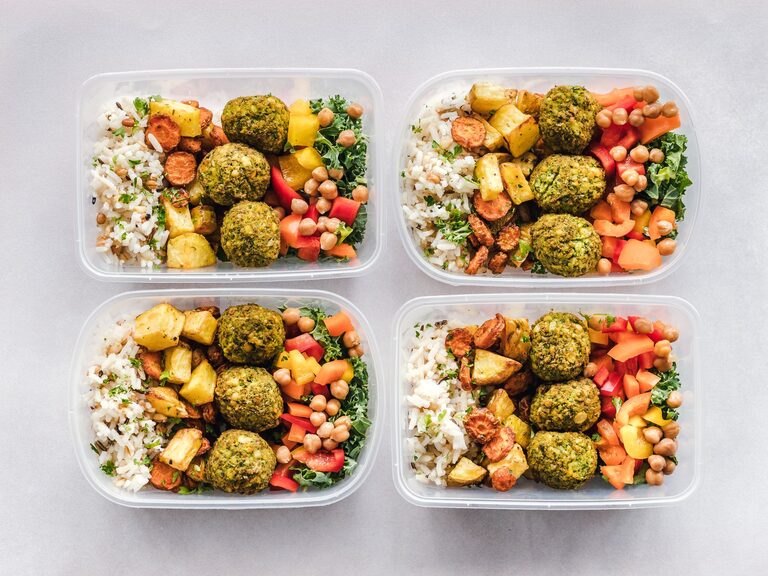
Start with rice, quinoa, or couscous. Add roasted vegetables, a protein such as chickpeas or chicken, and a sauce. Try different combinations, such as roasted broccoli with chicken and a yogurt sauce, or black beans with corn, peppers, and salsa.
Prepare Mason Jar Salads
Layer salad ingredients in a jar or container, beginning with dressing at the bottom. Add sturdy ingredients such as beans, carrots, cucumbers, or peppers next. Place grains or protein in the middle and leafy greens on top. When you are ready to eat, shake the jar or pour it into a bowl.
Make Wrap Fillings
Prepare a filling that can be used in wraps, sandwiches, or lettuce cups. Options include chicken salad, mashed chickpeas, sliced roasted vegetables, or turkey with cheese and greens. Store the filling separately from the bread or tortilla to help prevent sogginess.
Use Sheet Pan Dinners for Easy Cleanup
Sheet pan meals are helpful when you want a warm dinner with minimal preparation. Spread chopped vegetables and a protein on a baking sheet, season everything, and roast until cooked. Use parchment paper or foil to make cleanup easier.
Try combinations such as:
- Chicken, potatoes, and green beans
- Tofu, broccoli, and bell peppers
- Sausage, onions, and zucchini
- Chickpeas, cauliflower, and carrots
Cook a large batch and use the leftovers in bowls, wraps, pasta, or salads. Add a different sauce each day to create a fresh flavor without preparing another full meal.
Prep One-Pot Meals and Sauces
Soups, chili, pasta sauces, and stews are useful for meal prep because they often taste even better the next day. Make a large pot on the weekend, then divide it into individual portions. Keep a few portions in the refrigerator and freeze the rest for a later week.
Simple sauces can also make basic ingredients more interesting. Prepare a container of pesto, tomato sauce, peanut sauce, or a lemon herb dressing. Use small amounts to change the flavor of grains, vegetables, noodles, and proteins.
Keep Snacks Ready to Eat
Pre-portioned snacks can make busy afternoons easier and reduce the need to search for something at the last minute. Wash and cut fruit or vegetables, then store them in small containers. Portion nuts, crackers, or trail mix into reusable bags or cups.
Other easy options include:
- Yogurt with fruit
- Cheese with whole grain crackers
- Hummus with sliced vegetables
- Hard-boiled eggs
- Popcorn in small containers
- Bananas with nut butter
Follow Smart Storage Habits
Let cooked food cool before sealing containers, and use clean, airtight containers for storage. Label containers with the meal name and preparation date so you can quickly identify what is ready to eat. Store sauces and wet toppings separately when possible.
Use a mixture of container sizes. Larger containers work well for batch-cooked foods, while smaller ones are useful for toppings, snacks, and dressings. Clear containers can also make it easier to see what you have available.
Keep Your Routine Flexible
Meal prep should make your week easier, not create extra pressure. If your schedule changes, move meals around or freeze portions for later. Use leftovers creatively instead of following the original plan exactly.
Start with one or two prepared items and build from there. A cooked grain, a tray of roasted vegetables, and a simple sauce may be enough to create several quick meals. With a little planning and a flexible approach, meal prep can become a practical weekly habit that saves time and reduces everyday kitchen stress.
About the Author