A clutter-free kitchen counter can make the entire room feel cleaner, calmer, and easier to use. When counters are covered with appliances, mail, dishes, and food containers, even simple tasks can become frustrating. The good news is that you do not need a large kitchen or expensive storage products to create a more organized space.
With a few practical habits and simple changes, you can keep your counters clear while making the items you use most easy to reach.
Start With a Complete Reset
Before organizing your counters, remove everything from them. Place each item on a nearby table, chair, or clean section of the floor. Starting with a blank surface makes it easier to see what is taking up space.
Clean the counters while they are empty. Wipe away crumbs, spills, and dust, then take a moment to look at the available workspace. This helps you think about how you want the kitchen to function instead of simply putting everything back where it was.
As you sort through the items, create four groups:
– Keep on the counter
– Store elsewhere
– Donate or discard
– Decide later
Try to make the “decide later” group small. If you have not used something in months, it may not need to stay in your kitchen.
Keep Only Frequently Used Items Nearby
Counters should support your daily routine, not store every kitchen item you own. A useful rule is to keep only the appliances and tools you use regularly on the counter.
Items that may deserve a permanent place include:
– A coffee maker used every morning
– A toaster used several times a week
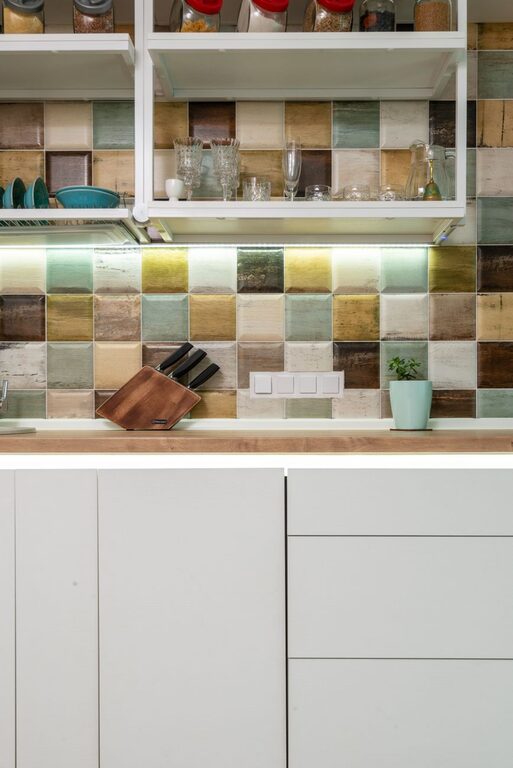
– A knife block used daily
– A fruit bowl that is actively used
– A cutting board that fits neatly in the workspace
Large appliances used only occasionally, such as stand mixers, slow cookers, or waffle makers, can usually be stored in a cabinet, pantry, or nearby closet. If an appliance is difficult to lift or use, consider placing it on a lower shelf or rolling cart rather than leaving it out permanently.
Your goal is not to hide everything. It is to create enough open space for cooking, preparing food, and cleaning.
Give Every Item a Home
Clutter often returns when items do not have a clear place to go. Assign a storage location for everything that regularly appears on the counter.
For example, designate:
– A drawer for cooking tools
– A cabinet for food containers
– A basket for mail and papers
– A shelf for small appliances
– A tray for oils, spices, or frequently used ingredients
A defined home makes tidying faster because you do not have to decide where an item belongs each time you put it away.
If several people use the kitchen, make sure the storage system is easy for everyone to understand. Simple labels can help, especially for shared cabinets, pantry shelves, and food storage areas.
Use Trays to Group Small Items
Small objects can make a counter look messy even when there are not many of them. A tray can create a neat boundary and make several items appear intentional.
Use a small tray to group items such as:
– Cooking oils and salt
– Coffee, sweeteners, and filters
– Soap and a sponge
– Frequently used seasonings
– Keys and other small household items
A tray also makes cleaning easier. Instead of moving each item individually, lift the tray, wipe the counter, and return it when finished.
Choose a tray that fits the space without taking over the work area. A washable material, such as wood with a protective finish, metal, or plastic, is often practical for kitchen use.
Make Better Use of Vertical Space
When counter space is limited, look upward. Walls, cabinet doors, and the sides of cabinets can provide useful storage without taking up valuable work surfaces.
Consider using:
– A wall-mounted rail for utensils
– Hooks for measuring cups or mugs
– A magnetic strip for suitable kitchen tools
– A shelf for spices or small containers
– An over-the-door organizer for pantry supplies
Open shelves can be helpful, but avoid filling them with too many items. A crowded shelf can create the same visual clutter as a crowded counter. Keep the contents limited to things you use often and arrange them in a simple, consistent way.
Control Paper and Mail
Mail, receipts, school papers, and notes can quickly take over a kitchen counter. Create one designated location for paper instead of allowing it to spread throughout the room.
A wall file, small basket, or folder system can work well. Sort papers regularly into categories such as:
– To read
– To respond to
– To file
– To recycle
Set a regular time to process the basket, such as once or twice a week. The system will only work if papers do not remain there indefinitely.
You can also reduce paper clutter by switching eligible bills, notices, and receipts to digital formats.
Improve Food Storage Habits
Food packages often create counter clutter, especially when groceries are unpacked quickly. After shopping, place items in their proper storage locations rather than leaving them out for later.
If certain foods are always kept on the counter, use a designated container or basket. Bread, snacks, and produce can look more organized when grouped together. However, avoid storing foods in direct sunlight or near heat-producing appliances.
A clear produce bowl can be useful, but it should not become a place for every snack or package. Keep only a reasonable amount visible and store the rest in the pantry or another suitable location.
Create a Small Drop Zone
Some kitchen clutter is not really kitchen clutter. Bags, wallets, chargers, sunglasses, and keys often land on the nearest counter when people enter the home.
If this happens regularly, create a small drop zone near the entrance or in another convenient area. A few hooks, a narrow shelf, or a small basket may be enough. When personal items have a designated location, they are less likely to collect in the kitchen.
If the kitchen is the only practical entry point, choose one small area for these belongings. Keeping them contained in a basket or drawer is better than allowing them to spread across the entire counter.
Use the One-Minute Reset
A short daily reset can prevent clutter from becoming overwhelming. At the end of the day, take a few minutes to:
- Put away appliances and ingredients.
- Return dishes to the sink or dishwasher.
- Move mail and personal items to their proper locations.
- Wipe the counters.
- Check the floor for crumbs or spills.
You do not need to make the kitchen perfect every night. The purpose of this routine is to restore order before clutter builds up.
For busy households, assign each person one small task. One person can clear dishes while another puts away food and someone else wipes the counters.
Rethink Your Storage Over Time
A clutter-free counter is not a one-time project. Your needs may change as you buy new appliances, adjust your cooking habits, or use the kitchen differently.
Every few months, review what is stored on the counters. Ask yourself:
– Do I use this item often?
– Does it make cooking easier?
– Is there a better place to store it?
– Is it taking up more space than it deserves?
If the answer is no, move the item or remove it from the kitchen. Small adjustments can keep the space functional without requiring another major cleanup.
The best kitchen organization system is one that matches your daily life. Keep frequently used items accessible, give everything a home, and maintain the counters with a quick daily reset. With these simple habits, your kitchen can stay open, comfortable, and ready for whatever you need to prepare.
About the Author