A bedroom refresh does not require a complete renovation or a large budget. With a few thoughtful changes, you can make the space feel cleaner, calmer, and more personal. The key is to focus on details that have the biggest visual impact, such as color, bedding, lighting, and organization.
Whether you want a cozy retreat or a more polished look, these affordable ideas can help you refresh your bedroom without replacing everything.
Start With a Simple Plan
Before buying anything, take a close look at your bedroom. Notice what feels outdated, cluttered, or unfinished. A quick plan can help you avoid unnecessary purchases and make better use of what you already own.
Consider these questions:
– What do you like about the room?
– Which areas bother you most?
– Do you want the room to feel cozy, bright, simple, or colorful?
– What furniture and decorations can be reused?
– Which updates can you complete in one afternoon?
Choose one or two main goals. For example, you might decide to improve the bed area and reduce visible clutter. Keeping the project focused makes it easier to stay within your budget.
Declutter Before Decorating
One of the most affordable ways to improve a bedroom is to remove items that no longer serve a purpose. A less crowded room often feels larger and more relaxing.
Work through the space one area at a time:
- Remove trash and items that belong elsewhere.
- Set aside clothing, books, and decorations you no longer use.
- Clear the tops of dressers, nightstands, and shelves.
- Organize items that you want to keep.
- Clean surfaces, floors, and hard-to-reach corners.
Use boxes, baskets, or containers you already have before purchasing new storage. A neat stack of books, a folded blanket, or a small tray can look intentional when arranged carefully.
Refresh the Bedding
The bed is usually the main focal point in a bedroom, so updating it can make the entire room look different. You do not need a complete new bedding set. Start with one or two affordable changes.
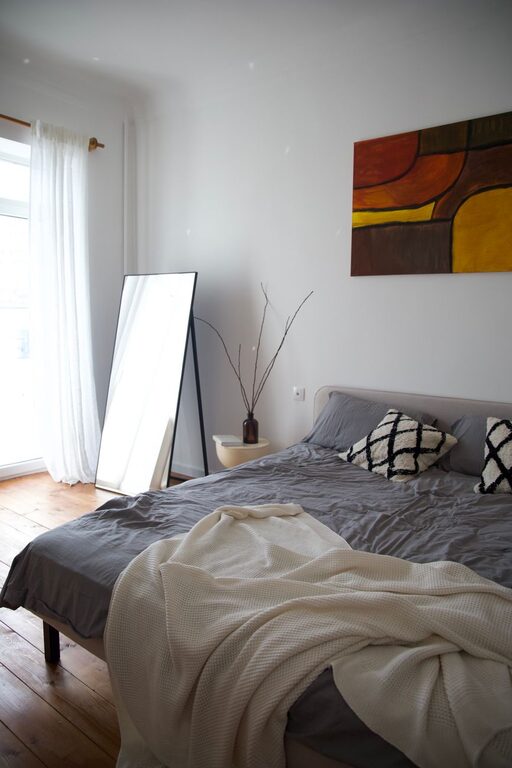
A new duvet cover, quilt, or set of pillowcases can introduce a fresh color or pattern. If your current bedding is still in good condition, add a textured throw blanket or a few decorative pillows instead.
For a balanced look, combine different textures while keeping the color palette simple. For example, pair smooth cotton sheets with a knitted blanket and one or two linen-style pillows.
Try these low-cost bedding ideas:
– Fold a blanket across the end of the bed.
– Use pillow covers instead of replacing entire pillows.
– Layer two simple blankets for extra texture.
– Choose neutral bedding and add color with smaller accessories.
– Rotate seasonal blankets and pillow covers instead of buying new items.
Making the bed each morning also gives the room a more finished appearance.
Add Color Without Repainting
Paint can transform a bedroom, but there are other ways to add color if painting is not practical. Textiles and small decorative items can make a noticeable difference.
Consider adding color through:
– Curtains
– Area rugs
– Pillow covers
– Blankets
– Artwork
– Storage baskets
– Plants or colorful planters
Choose two or three coordinating shades to create a relaxed look. If the room already has colorful furniture or artwork, use neutral accessories to keep the space from feeling too busy.
You can also rearrange existing decorations from other rooms. A framed print, vase, or small lamp may look completely different in the bedroom.
Rearrange the Furniture
Changing the layout costs nothing and can improve both the appearance and function of the room. Try moving the bed to a different wall or creating more space around the main walkway.
Before moving heavy furniture, measure the room and consider how doors, windows, outlets, and heating vents are positioned. The bed should feel easy to access, and frequently used items should remain within reach.
You may also be able to:
– Move a small table beside the bed.
– Place a chair near a window.
– Use a dresser as a display surface.
– Create a clear reading or dressing corner.
– Remove furniture that makes the room feel crowded.
Take a photo of the original layout before making changes. This makes it easier to return items to their previous positions if needed.
Improve the Lighting
Lighting has a strong effect on the mood of a bedroom. Harsh overhead lighting can make the space feel less comfortable, while layered lighting creates a warmer atmosphere.
Use the light sources you already have in new ways. Place a lamp on a nightstand, dresser, or shelf. Add a small reading light near the bed if your current lighting feels limited.
Affordable lighting updates include:
– Replacing an old lampshade
– Adding a warm-toned light bulb
– Using string lights around a headboard or shelf
– Cleaning lamps and light fixtures
– Adding a small table lamp from another room
Avoid placing too many bright lights in one area. A soft lamp near the bed and a brighter light for general use can provide a practical balance.
Create an Accent Wall
If you want a bigger visual change, consider updating one wall instead of the entire room. A single accent wall uses less paint and can give the bedroom a clear focal point.
You can create an accent wall with:
– A new paint color
– Removable wallpaper
– Fabric panels
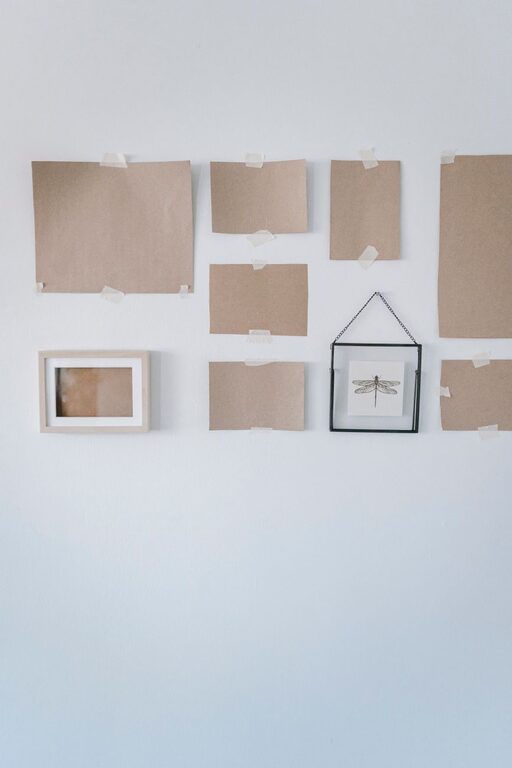
– A gallery wall
– A large textile or tapestry
– A collection of framed prints
Choose the wall behind the bed if you want to emphasize the sleeping area. For a subtle effect, select a shade that is only slightly darker or lighter than the other walls.
If you rent your home, removable wallpaper and framed artwork can offer a flexible alternative to permanent changes.
Make Affordable DIY Decor
Small DIY projects can add personality without costing much. Look around your home for items that can be cleaned, repainted, or used in a new way.
Ideas include:
– Painting an old picture frame
– Covering a plain lampshade with fabric
– Creating simple artwork with leftover paper or paint
– Turning a wooden box into shelf storage
– Adding new handles to a basic dresser
– Making a fabric wall hanging
– Decorating glass jars as small organizers
Keep DIY projects simple and choose materials you already have whenever possible. A project should improve the room, not create extra clutter.
Organize Small Items
A bedroom can look untidy when small items collect on open surfaces. Organizing these items helps maintain a cleaner appearance and makes daily routines easier.
Use trays for watches, glasses, and other accessories. Place a basket near the bed for extra blankets or books. Drawer dividers can help separate socks, accessories, and smaller clothing items.
For open storage, group items by type and color. Leave some empty space on shelves and surfaces so the room does not feel overcrowded.
Bring in Natural Details
Plants, flowers, and natural materials can make a bedroom feel more inviting. If you do not want to care for live plants, use dried stems, faux greenery, or a simple vase with branches.
Other natural touches include:
– A woven basket
– A wooden tray
– A jute-style rug
– Cotton or linen textiles
– A bowl of pinecones or smooth stones
Use these details sparingly. One or two natural accents may be enough to soften the room without making it feel overly decorated.
Finish With a Regular Reset
Once your bedroom is refreshed, keep it looking its best with a few simple habits. Make the bed, return items to their proper places, and clear surfaces regularly.
A weekly reset can include:
– Changing or washing bedding
– Dusting furniture and lamps
– Vacuuming or sweeping
– Sorting clothing
– Removing empty containers and unused items
– Refreshing blankets and pillows
The most successful budget makeover is one that remains easy to maintain. By focusing on comfort, organization, and a few carefully chosen details, you can create a bedroom that feels fresh without spending a lot.
About the Author