
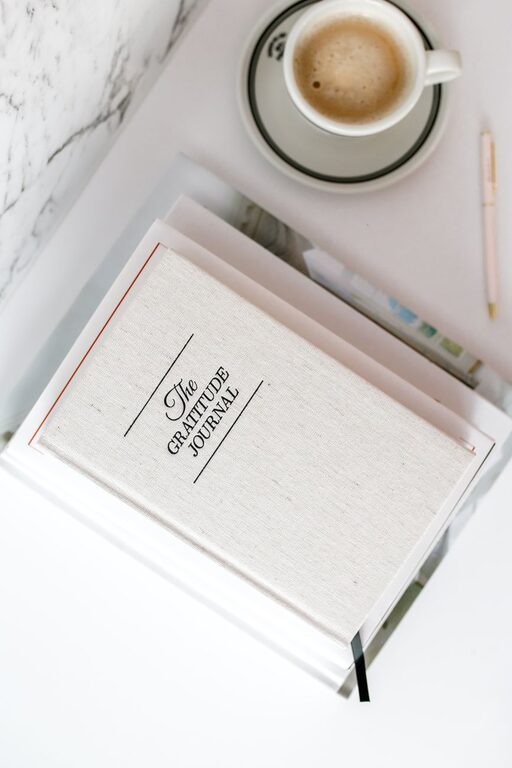
Starting a gratitude journal is a simple way to pause, notice positive moments, and reflect on what matters to you. You do not need special writing skills, a perfect notebook, or a large amount of free time. A few thoughtful sentences can be enough.
The most important part is creating a routine that feels natural. With the right format and a realistic schedule, gratitude journaling can become an enjoyable part of your day.
What Is a Gratitude Journal?
A gratitude journal is a notebook, app, or document where you regularly record things you appreciate. These things can be large, such as reaching an important goal, or small, such as enjoying a warm cup of coffee or receiving a kind message.
Gratitude journaling is not about pretending that every day is perfect. It is simply a practice of giving some attention to positive experiences, helpful people, personal strengths, or ordinary moments that might otherwise go unnoticed.
You can write about:
– People who have supported or encouraged you
– Experiences that made you smile
– Comfortable or peaceful moments
– Opportunities to learn or grow
– Personal qualities you value
– Helpful actions you took
– Everyday comforts and conveniences
Choose a Journaling Format
Before you begin, choose a format that is easy for you to use consistently. The best option is the one you will actually return to.
Paper Notebook
A notebook offers a quiet, screen-free experience. Writing by hand can make the practice feel more personal, and you can use the pages to add drawings, quotes, or short notes.
Choose a notebook that feels inviting rather than overly precious. If you are worried about making mistakes, a simple lined notebook may be more comfortable than an expensive journal.
Digital Journal
A notes app, word-processing document, or journaling app can be convenient. Digital writing makes it easy to search old entries, add photos, and write wherever you are.
You can create a document with the date as a heading and add a few lines below it. Consider using a password or device lock if privacy is important to you.
Guided Journal
A guided journal may include prompts, checklists, or space for daily reflections. This can be useful if you are not sure what to write or enjoy having a clear structure.
However, you do not need a guided journal to begin. A blank page and a simple question can work just as well.
Decide When and How Often to Write
A regular schedule makes journaling easier to remember. Many people write in the morning or before bed, but there is no universally correct time.
Morning journaling can help you begin the day with a clear focus. Evening journaling gives you an opportunity to look back and notice positive moments from the day.
Start with a schedule that feels manageable:
– Write once or twice a week if daily journaling feels difficult.
– Spend five minutes on each entry.
– Link journaling to an existing habit, such as drinking coffee or brushing your teeth.
– Keep your notebook somewhere visible and convenient.
– Set a gentle reminder if you often forget.
Consistency matters more than length. A short entry written regularly is more useful than an ambitious routine that quickly becomes tiring.
Use Simple Prompts
Prompts can help you get started when the page feels empty. You can use the same prompt every day or choose a different one based on your mood.
Try these questions:
– What is one good thing that happened today?
– Who made my day a little better?
– What is something I often take for granted?
– What was a moment of comfort, peace, or enjoyment?
– What personal quality helped me today?
– What did I learn from today?
– What is something I am looking forward to?
– What made me smile recently?
– What is one place, object, or activity I appreciate?
– What is a challenge that taught me something useful?
You can also complete a sentence, such as:
– Today I appreciated…
– I felt supported when…
– Something beautiful I noticed was…
– A small comfort in my day was…
– I am glad that I…
Be Specific
Specific entries are often more meaningful than general statements. Instead of writing, “I am grateful for my family,” describe the moment that stood out.
For example:
> I appreciated that my sister called during her lunch break to check in. Her message made a busy afternoon feel less stressful.
Specific details help you remember why the moment mattered. They also make it easier to notice ordinary sources of appreciation, such as a helpful conversation, a quiet walk, or a meal you enjoyed.
Try answering three simple questions:
- What happened?
- Why did it matter to me?
- How did it make me feel?
You do not need to answer all three every time, but they can turn a short list into a thoughtful reflection.
Look for Small Moments
Gratitude does not have to come from major events. Everyday details are often the easiest and most reliable subjects for a journal.
You might appreciate:
– Clean sheets at the end of a long day
– A favorite song
– Sunlight through a window
– A meal prepared at home
– A productive conversation
– Time spent outdoors
– A comfortable place to rest
– Finishing a task you had been avoiding
– A funny story or pleasant surprise
Looking for small moments can make journaling feel accessible. You are not waiting for something extraordinary to happen. You are practicing the habit of noticing what is already present.
Avoid Turning It Into a Task
A gratitude journal should support reflection, not create another source of pressure. There is no need to write a certain number of items, use impressive language, or produce a deep insight every day.
Some entries may be only one sentence:
> I am grateful for the quiet walk I took after work.
That is enough. On other days, you may want to write several paragraphs. Let the length match your available time and energy.
If you miss a day, simply continue when you are ready. You do not need to explain the missed entry or start the journal over.
Include People and Your Own Efforts
It is natural to write about family members, friends, teachers, coworkers, and others who have helped you. You can also recognize your own actions and qualities.
Consider writing about:
– A problem you handled patiently
– A decision that reflected your values
– A task you completed
– A boundary you respected
– A skill you practiced
– A time you asked for help
– An effort that may not have been noticed by anyone else
Recognizing your own efforts is not bragging. It is a way to acknowledge the work, care, and persistence you bring to everyday life.
Review Your Entries
After journaling for a few weeks, read some of your earlier entries. This can help you notice patterns, recurring themes, and sources of appreciation you may have overlooked.
You might discover that you often write about:
– Time with certain people
– Creative activities
– Nature and outdoor spaces
– Learning new skills
– Rest and quiet
– Acts of kindness
– Progress toward personal goals
These patterns can offer useful ideas for spending more time on activities and relationships that feel meaningful to you.
You can also create a monthly summary by answering:
– What moments stood out most?
– What did I learn about what I value?
– Which small comforts appeared repeatedly?
– What would I like to notice more often next month?
Make It Your Own
There is no single correct way to keep a gratitude journal. You can write lists, paragraphs, letters, sketches, photographs, or short voice recordings. You can focus on a daily highlight, a weekly reflection, or one person you appreciate.
Begin with a notebook or digital document, choose a realistic schedule, and write one specific thing you value. Keep the process simple enough to continue, and allow it to change as your routine changes.
A gratitude journal is built one entry at a time. The goal is not to create a perfect record, but to make space for noticing the good things, both big and small, that are part of your everyday life.
About the Author